tiranatimes.com
Silfio country intelligence · BIH
3.14M
$32.6B
BAM
Sarajevo
51.21K km²
Bosnian, Croatian, Serbian
Risk assessment
The 12-month probability of a new armed-conflict onset in Bosnia and Herzegovina is 2.6%, representing a low risk. The country’s history of civil war, unresolved wartime grievances, ethnic division between political communities, and fragile state institutions continue to provide pathways to confrontation. Republika Srpska’s separate political identity and disputes over the distribution of authority remain important long-run vulnerabilities.
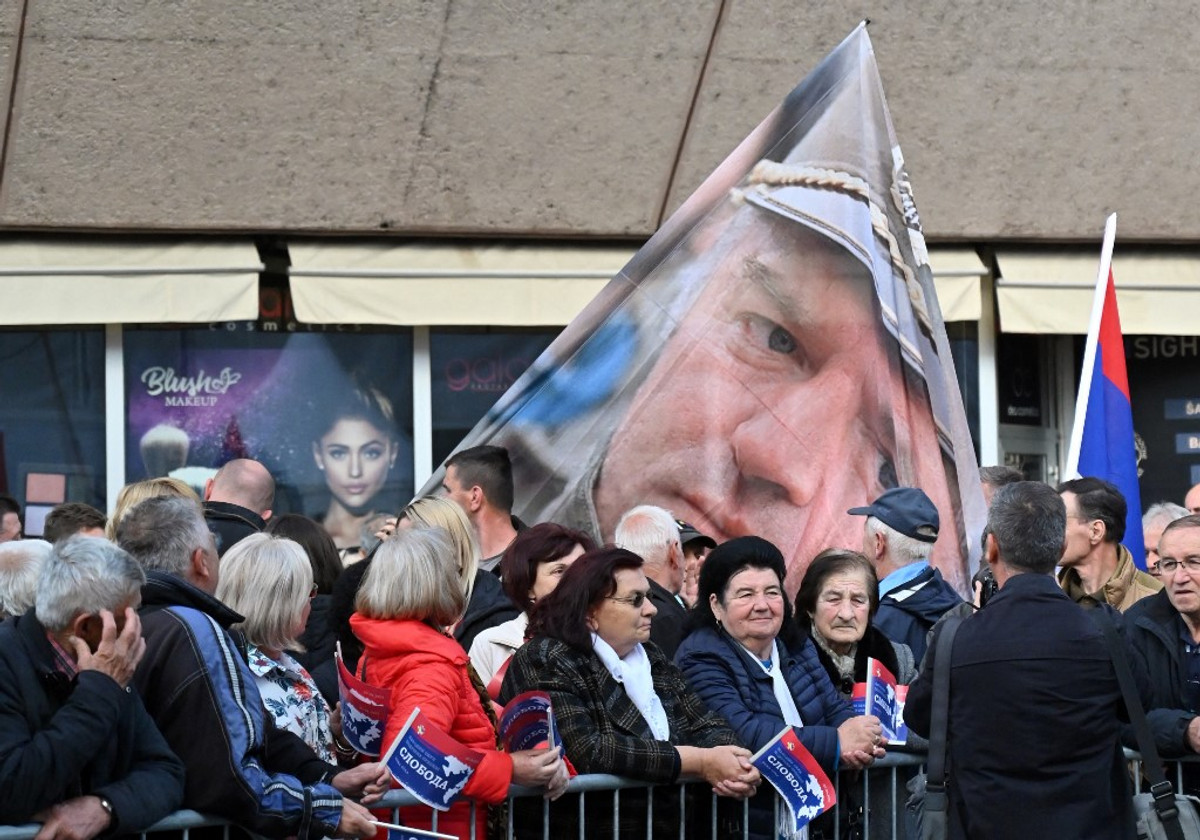
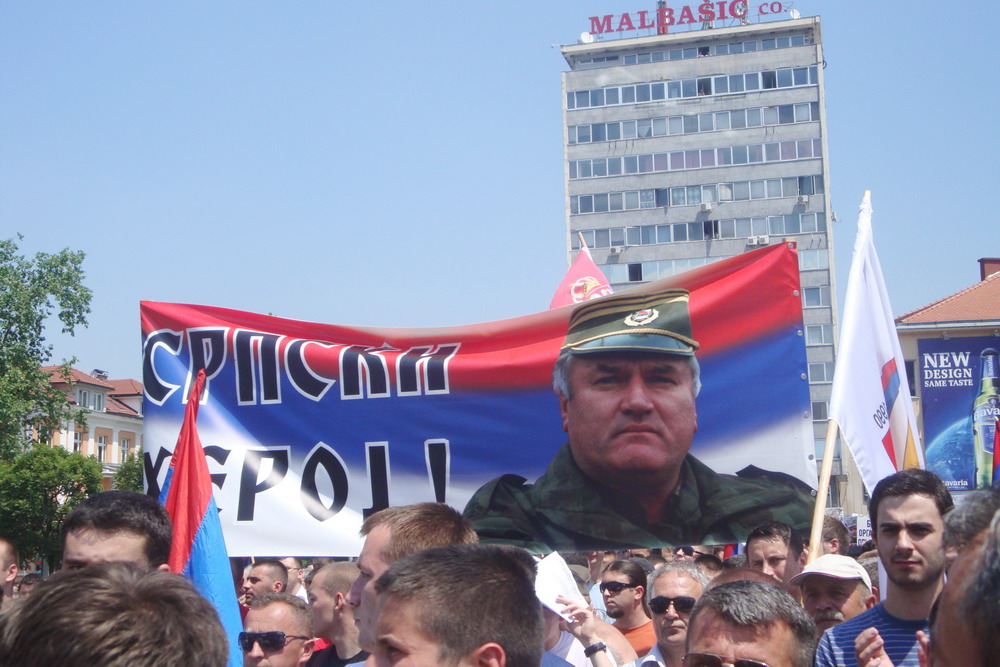
Recent reporting shows renewed public mobilisation around the death of former Bosnian Serb commander Ratko Mladić. Several thousand people gathered in Pale, while a rally in Banja Luka expressed support for Republika Srpska’s leadership and opposition to decisions by the international High Representative concerning laws passed by the entity’s National Assembly. These developments involve prominent political and wartime-symbolism issues but do not report sustained armed violence.
The largest uncertainty is whether disputes over Republika Srpska’s authority and war-crimes memory translate into organised coercion or remain within political and protest channels. Risk would rise most clearly through armed clashes involving entity or state security forces, or organised attacks between ethnic or political groups; it would lower through continued institutional dispute resolution and restraint by domestic leaders and international authorities.
Probability trend
Aug 26
Aug 31
Sep 1
Date
Regional context
Bosnia and Herzegovina ranks number 80 of 195 in new conflict outbreak risk.
Figures are each country's modelled probability of a new armed conflict on its territory within the next 12 months. Select any country to open its full profile.
tiranatimes.com