indiatoday.in
Silfio country intelligence · BTN
796.68K
$3.58B
BTN
Thimphu
38.39K km²
Dzongkha
Risk assessment
The 12-month probability of a new armed conflict on Bhutanese territory is 0.4%, a minimal risk. Bhutan’s long record of internal stability, absence of an active insurgency, limited military posture, and generally effective state institutions support this level. Its close security relationship with India and cautious diplomacy also reduce incentives for domestic or interstate escalation.
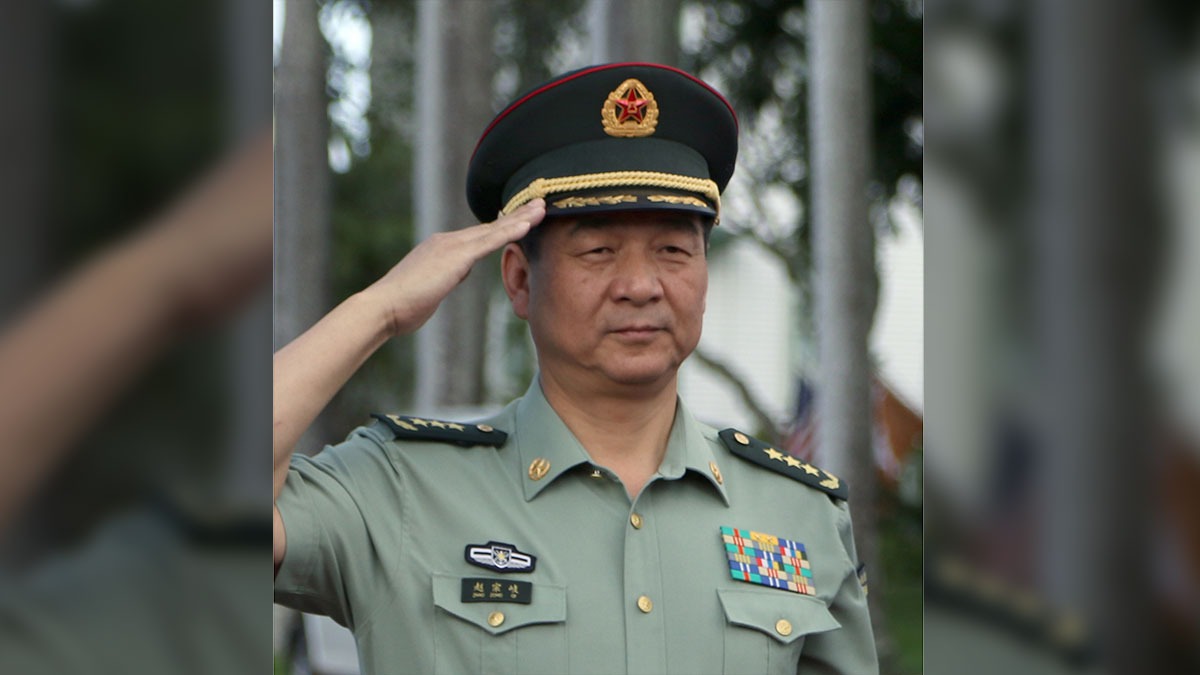
Recent reporting highlights the continuing sensitivity of the India-China-Bhutan trijunction. An India Today report on 31 August 2026 revisited the 2017 Doklam standoff, when Indian and Chinese troops confronted one another for more than two months after India opposed Chinese road construction in the disputed area. The report concerns a past confrontation, not a new armed clash on Bhutanese territory. India and China remain the principal external actors relevant to this risk.
The largest uncertainty is whether future China-India border friction could extend into Bhutan or generate pressure that Bhutanese institutions could not contain. Risk would rise most clearly with new construction, troop deployments, or armed encounters near the trijunction; sustained diplomacy, continued Bhutan-India coordination, and the absence of domestic armed mobilisation would support the minimal assessment.
Probability trend
Aug 26
Aug 31
Sep 1
Date
Regional context
Bhutan ranks number 147 of 195 in new conflict outbreak risk.
Figures are each country's modelled probability of a new armed conflict on its territory within the next 12 months. Select any country to open its full profile.
indiatoday.in