en.maaldif.com
Silfio country intelligence · MDV
529.68K
$7.74B
MVR
Malé
300 km²
Maldivian
Risk assessment
The 12-month probability of a new armed-conflict onset in the Maldives is 0.4%, representing a minimal risk. The country has no recent history of sustained civil war, insurgency, or interstate conflict on its territory. Although political crises, protests, and the 2012 transfer of power created periods of instability, institutions and security conditions have generally contained disputes below the threshold of organised armed violence.
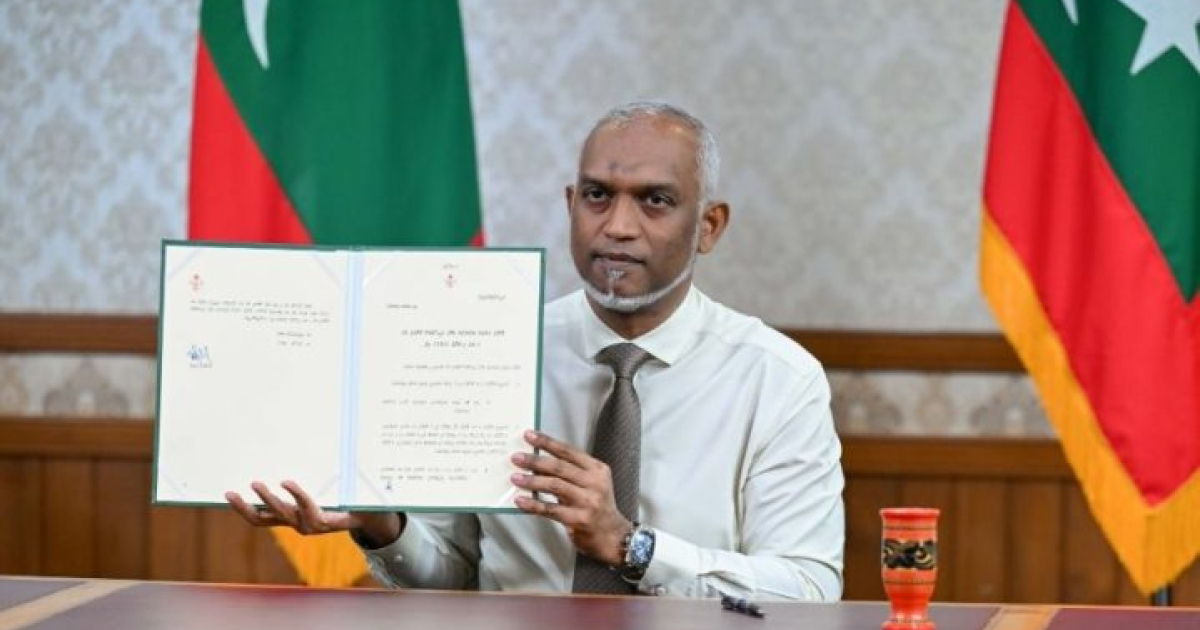
Recent reporting highlights President Mohamed Muizzu’s economic reforms, including measures on foreign-currency management, tourism taxation, revenue mobilisation, and sector regulation. These initiatives may create political contention, but the reported actors are state institutions and economic stakeholders rather than armed groups, and there is no reported fighting on Maldivian territory.
The main uncertainty is whether economic pressure or a severe political rupture could produce violence beyond protest activity. Risk would rise with organised armed attacks, military or security-force defections, or sustained clashes between domestic factions; continued institutional management of reforms and the absence of armed mobilisation would support the minimal-risk assessment.
Probability trend
Aug 26
Aug 31
Sep 1
Date
Regional context
Maldives ranks number 141 of 195 in new conflict outbreak risk.
Figures are each country's modelled probability of a new armed conflict on its territory within the next 12 months. Select any country to open its full profile.
en.maaldif.com