muslimnetwork.tv
Silfio country intelligence · AFG
Afghanistan
10.5% annual probability
Population
43.84M
GDP
$17.78B
Currency
AFN
Capital
Kabul
Land area
652.23K km²
Official languages
Dari, Pashto, Turkmen
Risk assessment
Risk profile
The 12-month probability of a new armed-conflict onset in Afghanistan is 10.5%, a high risk. Afghanistan’s recent history of civil war, insurgency, foreign intervention, and fragmented armed authority leaves durable pathways to renewed internal violence. Weak institutions, severe economic hardship, social exclusion, and unresolved wartime grievances also limit the state’s ability to manage disputes peacefully.
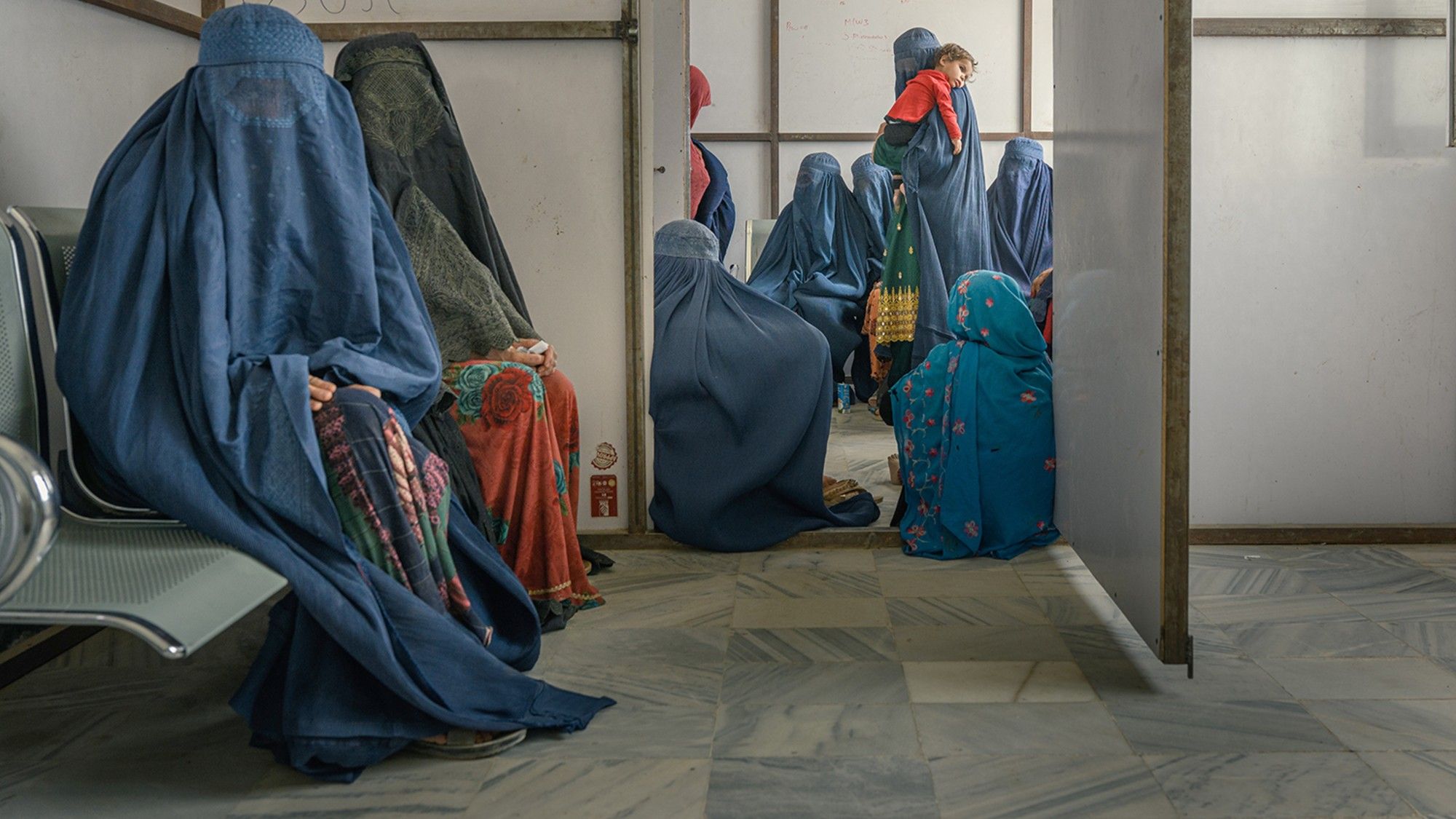
Recent reporting portrays Taliban-controlled Afghanistan as politically repressive and economically distressed, while the UN says many victims of the 2001–2021 war remain without justice or acknowledgement. Foreign Minister Amir Khan Muttaqi’s call for a “new chapter” and normalized ties with Washington is a stabilising diplomatic signal, but Taliban enforcement actions, including arrests of cryptocurrency dealers, demonstrate coercive governance. Islamic State Khorasan and other armed opponents remain the principal internal security concern.
The largest uncertainty is whether Taliban control continues to contain challengers or instead generates wider resistance, factional splits, or retaliation. A sustained rise in attacks by ISKP or anti-Taliban forces, a visible Taliban split, or severe deterioration in economic and humanitarian conditions would raise risk; durable external engagement and effective containment of armed groups would lower it.
Strategic reasoning
- Afghanistan’s long record of civil war and insurgency, combined with weak institutions, poverty, and unresolved grievances, makes renewed internal armed violence possible even after the previous nationwide war ended.
- Taliban coercion and exclusion can create recruitment and mobilisation incentives for opponents, while the movement’s consolidated territorial control and outreach to the United States currently help contain a broader onset.
- Fighting previously conducted by the Taliban or foreign forces is not itself a new-onset event; the relevant risk is fresh sustained violence on Afghan territory involving domestic challengers or an external attack.
Critical indicators
- In late August 2026, five years after the final US withdrawal, reporting revisited the collapse of the former government, the contested legacy of the war, and continuing hardship under Taliban rule. This underscores both the depth of unresolved conflict grievances and the Taliban’s consolidation of power.
- In recent reporting, Foreign Minister Muttaqi said Kabul sought a “new chapter” and normalized ties with Washington, while other coverage described repression, hunger, and Taliban arrests of cryptocurrency dealers. The combination signals diplomatic outreach alongside coercive domestic rule.
- The UN reported that most civilian victims of the 2001–2021 war remain without justice, reparation, or acknowledgement. That unresolved legacy sustains grievance, particularly among communities exposed to repeated wartime abuses.
Probability trend
How the Afghanistan estimate has moved
Probability10.5%10.4%10.3%
Aug 26
Aug 31
Sep 1
Date
Regional context
Afghanistan compared with its neighbours and region
Afghanistan ranks number 33 of 195 in new conflict outbreak risk.
Southern Asia
Figures are each country's modelled probability of a new armed conflict on its territory within the next 12 months. Select any country to open its full profile.
Related coverage

bitcoinfoundation.org