All countries

Silfio country intelligence · MNG

Mongolia

0.8% annual probability
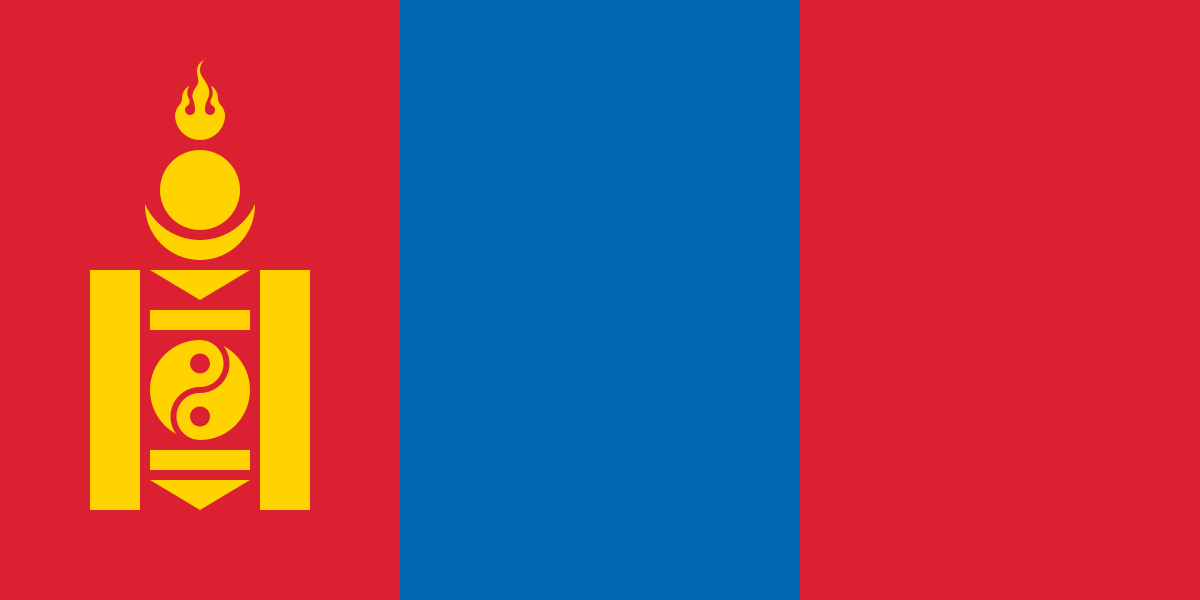
Mongolia flag
Population

3.57M

GDP

$25.37B

Currency

MNT

Capital

Ulan Bator

Land area

1.56M km²

Official languages

Mongolian

Risk assessment

Risk profile

The 12-month probability of a new armed conflict on Mongolian territory is 0.8%, representing a minimal risk. Mongolia’s long record of domestic stability, absence of sustained insurgency or civil war, and competitive political institutions support this level. Its geographic position between Russia and China also reduces the likelihood of an unplanned interstate conflict, although dependence on both neighbours creates strategic exposure.

Recent reporting supplied no specific armed mobilisation, insurgent campaign, coup effort, or cross-border military threat involving Mongolia. The principal relevant actors would be the Mongolian state and political movements inside the country, with Russia and China as the key external powers; none is currently associated with an evident pathway to fighting on Mongolian soil. No prediction market was available.

The main uncertainty is whether severe economic pressure, political confrontation, or a sharp deterioration in relations with either neighbour could overwhelm established restraints. Risk would rise most clearly with organised armed violence, an attempted seizure of power, or foreign military entry; it would remain lower if political disputes continue to be managed through Mongolia’s institutions and diplomacy.

Strategic reasoning

  • Mongolia has experienced protest and political tension, including serious unrest in 2008, but not a sustained insurgency, civil war, or recurring armed contest. This history supports a low propensity for a new conflict onset.
  • The strongest stabilising factors are functioning state institutions, political competition, and balancing diplomacy between Russia and China. No current reporting identifies an armed group or state actor preparing violence on Mongolian territory.

Critical indicators

  • In July 2008, post-election unrest in Ulaanbaatar escalated into riots, arson, and deadly clashes before being contained. The episode demonstrates that political crises can produce violence, but it did not develop into an enduring armed conflict.
  • Mongolia’s democratic transition in 1990 replaced one-party rule without a subsequent civil war or insurgency. This established record of institutional change without sustained armed violence remains relevant to the current minimal risk.

Probability trend

How the Mongolia estimate has moved

Probability0.8%0.8%0.8%

Aug 26

Aug 31

Sep 1

Date

Regional context

Mongolia compared with its neighbours and region

Mongolia ranks number 122 of 195 in new conflict outbreak risk.

Figures are each country's modelled probability of a new armed conflict on its territory within the next 12 months. Select any country to open its full profile.

Related coverage

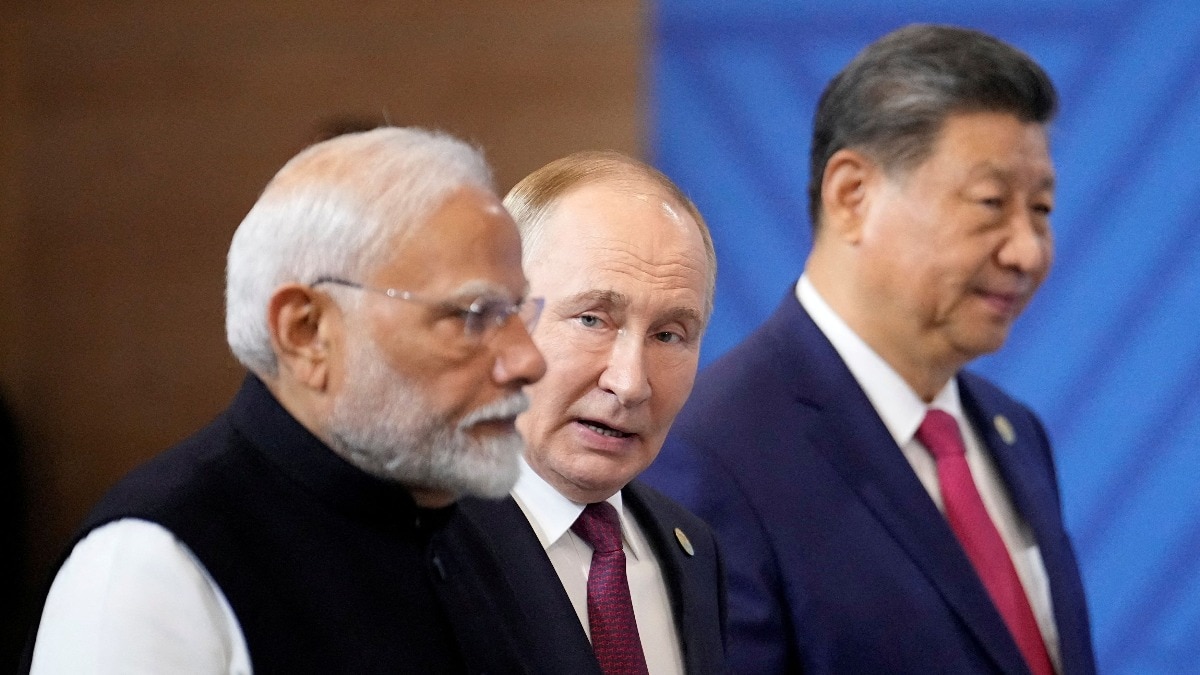
PM Modi, Xi Jinping, Vladimir Putin to meet in Bishkek at the SCO Summit: Trade, regional security, West Asia war on agenda - BusinessToday

www.businesstoday.in

PM Modi, Xi Jinping, Vladimir Putin to meet in Bishkek at the SCO Summit: Trade, regional security, West Asia war on agenda - BusinessToday

Read source
Best Esports Betting Sites in Mongolia – Apps, Bonuses & Offers 2026 - The Plaid Horse Magazine

www.theplaidhorse.com

Best Esports Betting Sites in Mongolia – Apps, Bonuses & Offers 2026 - The Plaid Horse Magazine

Read source