
www.dailymail.com
Silfio country intelligence · BLR
9.09M
$93.4B
BYN
Minsk
207.6K km²
Belarusian, Russian
Risk assessment
The 12-month probability of a new armed-conflict onset in Belarus is 2.1%, a low risk. Belarus’s authoritarian political system, limited institutional checks, and close military dependence on Russia create exposure to coercive crises. The country’s experience of mass unrest and severe repression after the 2020 presidential election shows that domestic political confrontation can become intense, although it has not developed into sustained armed conflict.
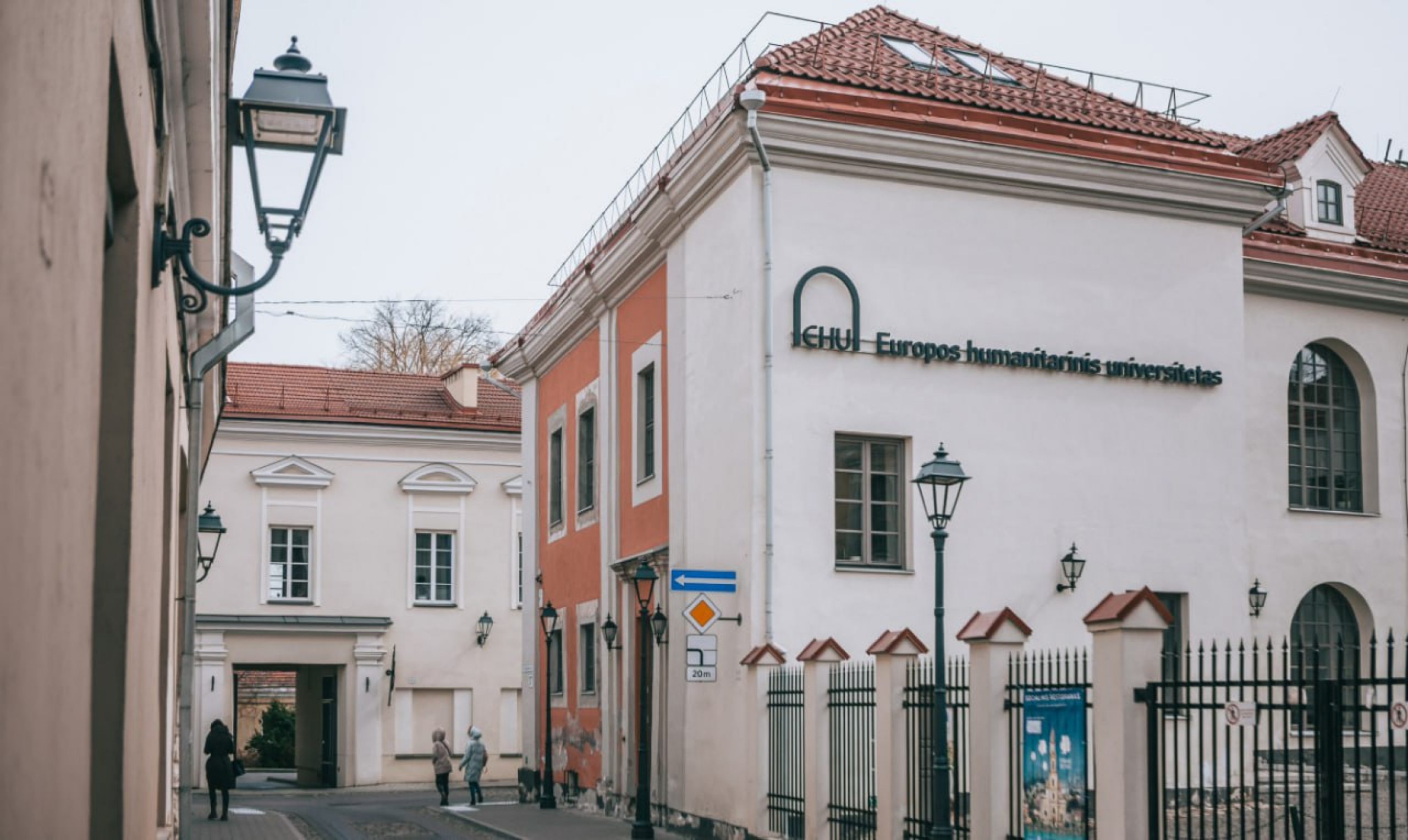
Recent reporting highlights two pressures. Vladimir Putin’s meeting with Alyaksandr Lukashenka occurred amid heightened concern about a possible Russian attack on NATO, while Belarusian authorities are expanding repression against European Humanities University students abroad and their relatives. Russia, Belarusian security agencies, NATO members, and opposition-linked networks are the principal relevant actors; none of the reported developments establishes fighting on Belarusian territory.
The largest uncertainty is whether Belarus could be drawn directly into Russia’s confrontation with NATO or whether domestic repression could trigger organised armed resistance. Risk would rise most clearly with a cross-border attack reaching Belarus, Russian or NATO military action on its territory, or sustained armed clashes involving Belarusian authorities. Continued repression without organised armed violence would leave the current assessment supported.
Probability trend
Aug 26
Aug 31
Sep 1
Date
Regional context
Belarus ranks number 89 of 195 in new conflict outbreak risk.
Figures are each country's modelled probability of a new armed conflict on its territory within the next 12 months. Select any country to open its full profile.
www.dailymail.com
amnesty.org