All countries

Silfio country intelligence · ZAF

South Africa

5.1% annual probability
South Africa flag
Population

64.75M

GDP

$427.18B

Currency

ZAR

Capital

Pretoria

Land area

1.22M km²

Official languages

Afrikaans, English, Northern Sotho, Southern Ndebele, Southern Sotho, Swazi, Tsonga, Tswana, Venda, Xhosa, Zulu

Risk assessment

Risk profile

The 12-month probability of a new armed-conflict onset in South Africa is 5.1%, a high risk. The level is supported by the country’s history of politically organised violence, including apartheid-era conflict and recurrent post-1994 unrest, alongside severe inequality, unemployment, organised crime, and persistent tensions around state authority and public services.

Recent reporting provides no direct indication of an imminent insurgency, rebellion, coup, or interstate attack on South African territory. The principal relevant actors would be state security institutions, political and community organisations, criminal networks, and protest movements; South Africa’s established constitutional institutions and security capacity remain important constraints on escalation.

The largest uncertainty is whether social and political grievances could combine with a triggering crisis and overwhelm local policing or political mediation. Risk would rise most clearly through sustained armed political violence, coordinated attacks on state facilities, or a breakdown in security-force cohesion; credible mediation, effective policing, and peaceful management of major protests would lower the likelihood of new onset.

Strategic reasoning

  • South Africa’s history includes intense political violence and major unrest, while inequality, unemployment, and organised crime provide enduring sources of mobilisation and coercion. These conditions support the live risk, but functioning national institutions and a capable security apparatus constrain nationwide escalation.
  • The August 2021 unrest showed that disorder can spread rapidly across KwaZulu-Natal and Gauteng when political and economic grievances converge. That episode informs new-onset risk, although violence already occurring through crime or isolated protests does not itself constitute a new armed conflict.

Critical indicators

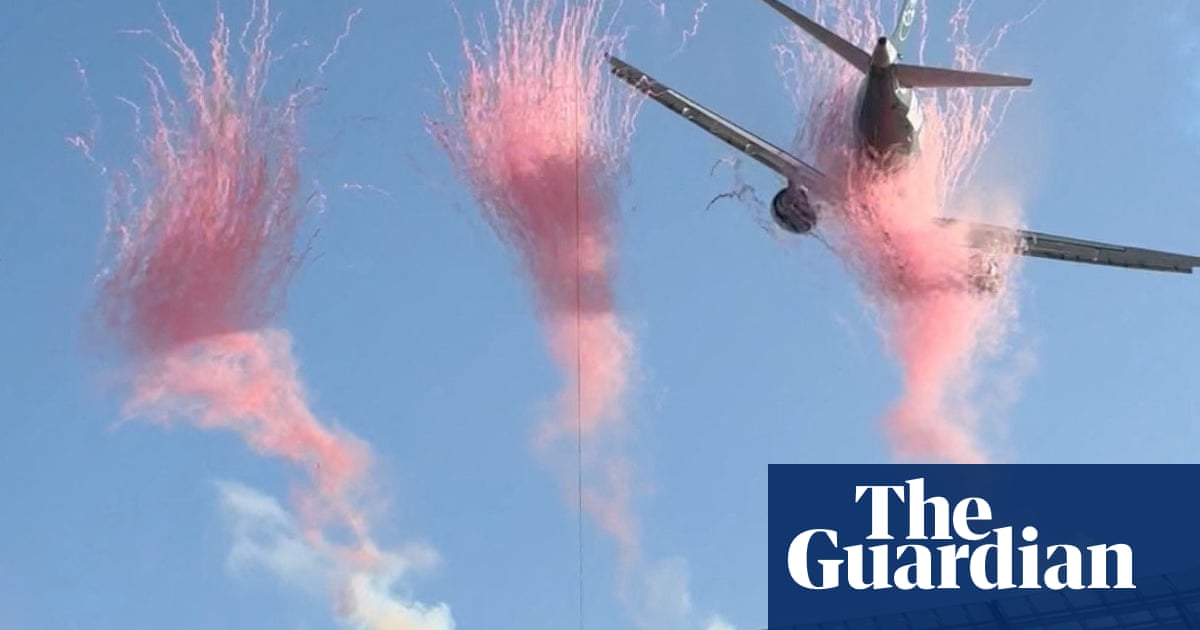
  • On 31 August 2026, The Guardian reported that two passenger jets conducted a dramatic low-level flyby over a South African stadium before a Springboks–New Zealand rugby match, prompting a safety debate. The episode is not an armed-conflict indicator, but it was the principal recent South Africa development reviewed and involved a high-profile public gathering and aviation-security concerns.
  • In July 2021, political unrest and looting spread across KwaZulu-Natal and parts of Gauteng, causing extensive disruption and requiring military support for police. Its precedent remains relevant because rapid mobilisation and institutional stress could, under different circumstances, produce sustained armed violence.

Probability trend

How the South Africa estimate has moved

Probability5.1%4.8%4.4%

Aug 26

Aug 31

Sep 1

Date

Regional context

South Africa compared with its neighbours and region

South Africa ranks number 57 of 195 in new conflict outbreak risk.

Figures are each country's modelled probability of a new armed conflict on its territory within the next 12 months. Select any country to open its full profile.

Related coverage

South African airline defends dramatic low-level flyby before rugby union clash | Rugby union | The Guardian

www.theguardian.com

South African airline defends dramatic low-level flyby before rugby union clash | Rugby union | The Guardian

Read source
