All countries

Silfio country intelligence · FRA

France

1.4% annual probability
France flag
Population

68.72M

GDP

$3.37T

Currency

EUR

Capital

Paris

Land area

551.7K km²

Official languages

French

Risk assessment

Risk profile

France has a 1.4% 12-month probability of a new armed-conflict onset, a low risk. Its strong state capacity, established institutions, advanced economy, and effective security services provide substantial protection against sustained domestic armed violence. France has not experienced civil war or an insurgency on metropolitan territory in the contemporary period, although its history includes political violence, terrorism, and episodes of intense social unrest.

Recent reporting does not identify an organised armed group, foreign military threat, or domestic political actor preparing for sustained fighting on French territory. Coverage has instead focused on severe wildfires and resilience challenges, while commentary about a possible future French withdrawal from NATO concerns alliance policy rather than an active conflict process. No prediction market was available for France.

The largest uncertainty is whether a severe political or social crisis could produce sustained violence beyond protest and rioting, or whether an external confrontation could reach French territory. Risk would rise most clearly after organised armed attacks, territorial control by a domestic group, or a foreign strike; it would lower in practical terms if political disputes remain within constitutional institutions and security forces continue containing violent incidents.

Strategic reasoning

  • France’s institutional strength, economic capacity, and consolidated security apparatus make sustained insurgency, rebellion, or civil war difficult to organise. Its modern conflict history is dominated by terrorism and unrest rather than new armed conflict on metropolitan territory.
  • The strongest current signal is the absence of reporting on an organised armed actor or cross-border military threat reaching France. This supports a low onset risk while distinguishing domestic exposure from French military activity abroad.
  • Wildfires and political debate may test state capacity and cohesion, but they are not armed-conflict indicators. A clear escalation would require sustained, organised violence or an attack reaching French territory.

Critical indicators

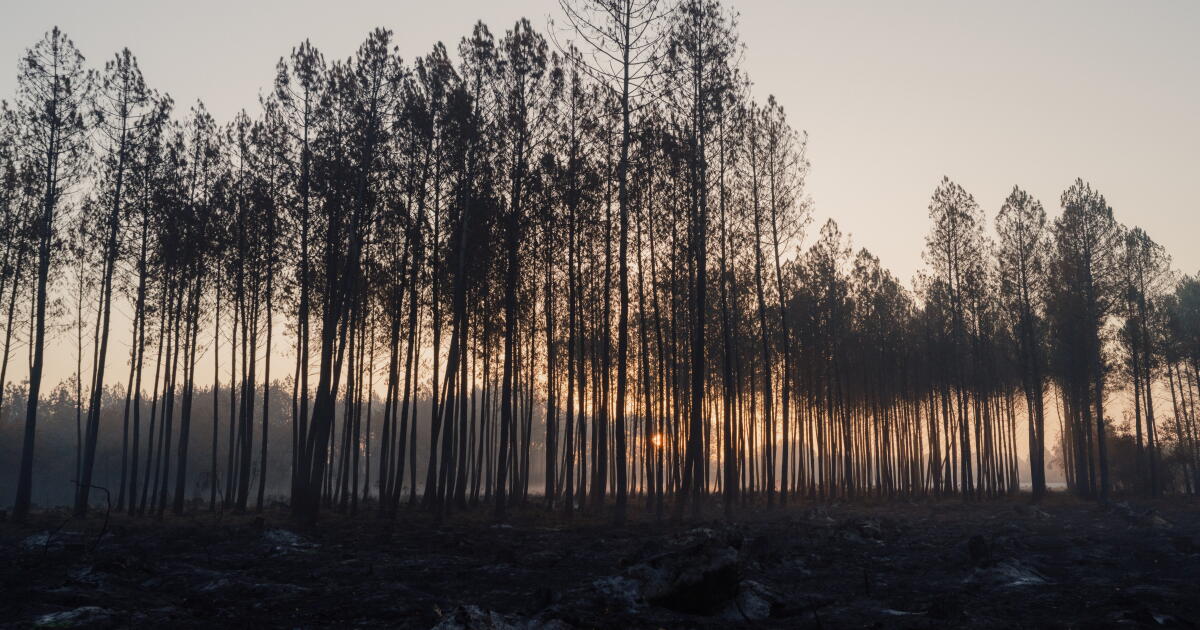
  • On August 30, 2026, the Los Angeles Times reported that France was fighting severe summer wildfires and examining California’s experience with prevention and response. The development highlights disaster-management pressure, not armed mobilisation or conflict onset.
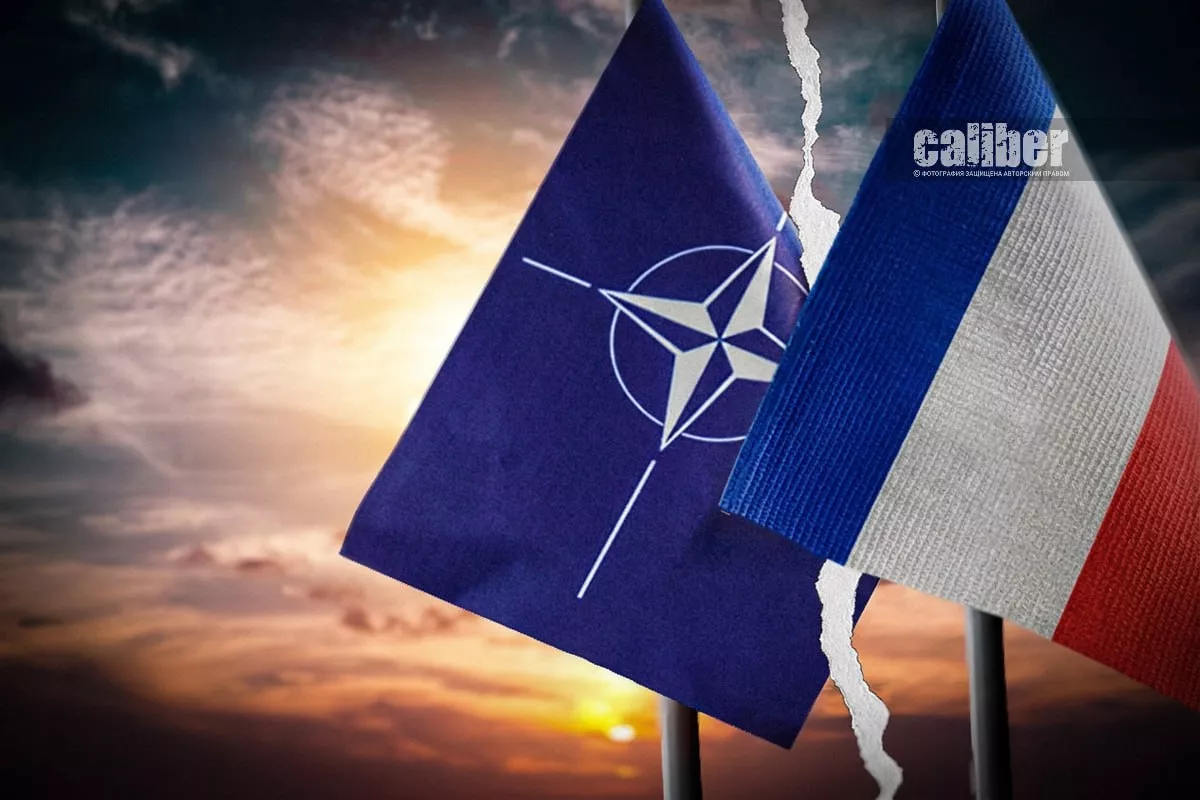
  • In reporting published before September 1, 2026, Caliber.Az discussed concerns that France’s president to be elected next year might leave NATO or its integrated military structure. This is speculative alliance commentary and does not itself indicate fighting on French territory.

Probability trend

How the France estimate has moved

Probability1.4%1.4%1.4%

Aug 26

Aug 31

Sep 1

Date

Regional context

France compared with its neighbours and region

France ranks number 98 of 195 in new conflict outbreak risk.

Figures are each country's modelled probability of a new armed conflict on its territory within the next 12 months. Select any country to open its full profile.

Related coverage

France’s wildfire nightmare echoes California’s hard lessons on building in the woods - Los Angeles Times

www.latimes.com

France’s wildfire nightmare echoes California’s hard lessons on building in the woods - Los Angeles Times

Read source
Coupe de France : les dates des tirages au sort du troisième tour, région par région

www.foot-national.com

Coupe de France : les dates des tirages au sort du troisième tour, région par région

Read source
What happens to NATO if France walks away? - Expert opinions on Caliber.Az

caliber.az

What happens to NATO if France walks away? - Expert opinions on Caliber.Az

Read source