
upi.com
Silfio country intelligence · LBN

5.85M
$25.97B
LBP
Beirut
10.45K km²
Arabic, French
Risk assessment
The 12-month probability of a new armed-conflict onset in Lebanon is 10.4%, a high risk. Lebanon’s history of civil war, repeated Israeli-Hezbollah confrontations, weak state authority, economic collapse, and the presence of a heavily armed non-state actor leave it vulnerable to renewed domestic or interstate violence. The Lebanese Armed Forces have also struggled to establish an uncontested national monopoly on force.
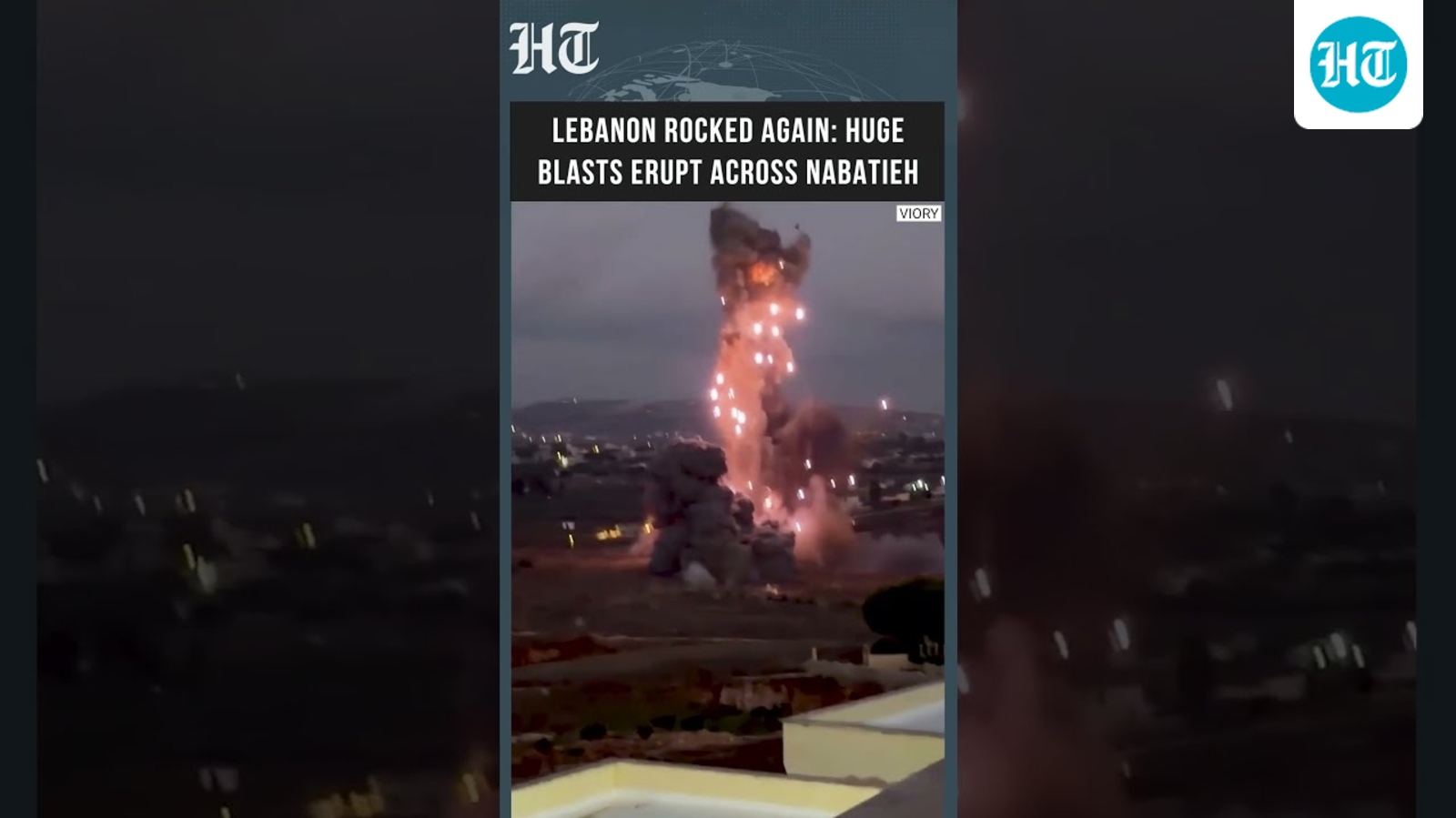
Recent reporting shows that the current Israel-Hezbollah war continues to shape conditions inside Lebanon, including major explosions in Nabatieh and mass displacement around Tyre. President Joseph Aoun is supporting a US-brokered framework to end hostilities, while Israel and Lebanon have opened direct talks. Hezbollah, Israel, the Lebanese government, the Lebanese Armed Forces, Iran, and international peacekeeping actors remain central to the security outlook.
The largest uncertainty is whether the ceasefire framework produces a durable settlement or leaves contested territory, weapons, and security arrangements unresolved. Risk would rise through renewed Israeli-Hezbollah exchanges, a breakdown in talks, or a vacuum as the UN peacekeeping mandate ends in late 2026; it would fall if the Lebanese state and a replacement international mission successfully consolidate control in the south.
Probability trend
Aug 26
Aug 31
Sep 1
Date
Regional context
Lebanon ranks number 34 of 195 in new conflict outbreak risk.
Figures are each country's modelled probability of a new armed conflict on its territory within the next 12 months. Select any country to open its full profile.
upi.com
www.hindustantimes.com

www.aljazeera.com