nationalinterest.org
Silfio country intelligence · SYR
Syria
25.6% annual probability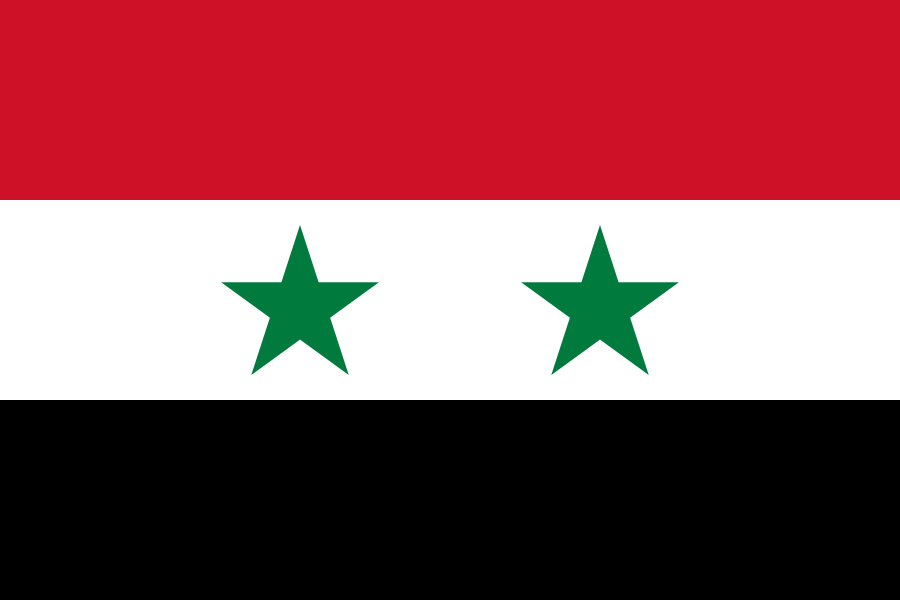
Population
25.62M
GDP
$23.74B
Currency
SYP
Capital
Damascus
Land area
185.18K km²
Official languages
Arabic
Risk assessment
Risk profile
The live 12-month probability of a new armed-conflict onset in Syria is 25.6%, representing a critical risk. Syria’s recent history of civil war, fragmented sovereignty, armed local communities, weak institutions, and limited economic capacity leave the country vulnerable to renewed internal fighting or escalation involving external forces.
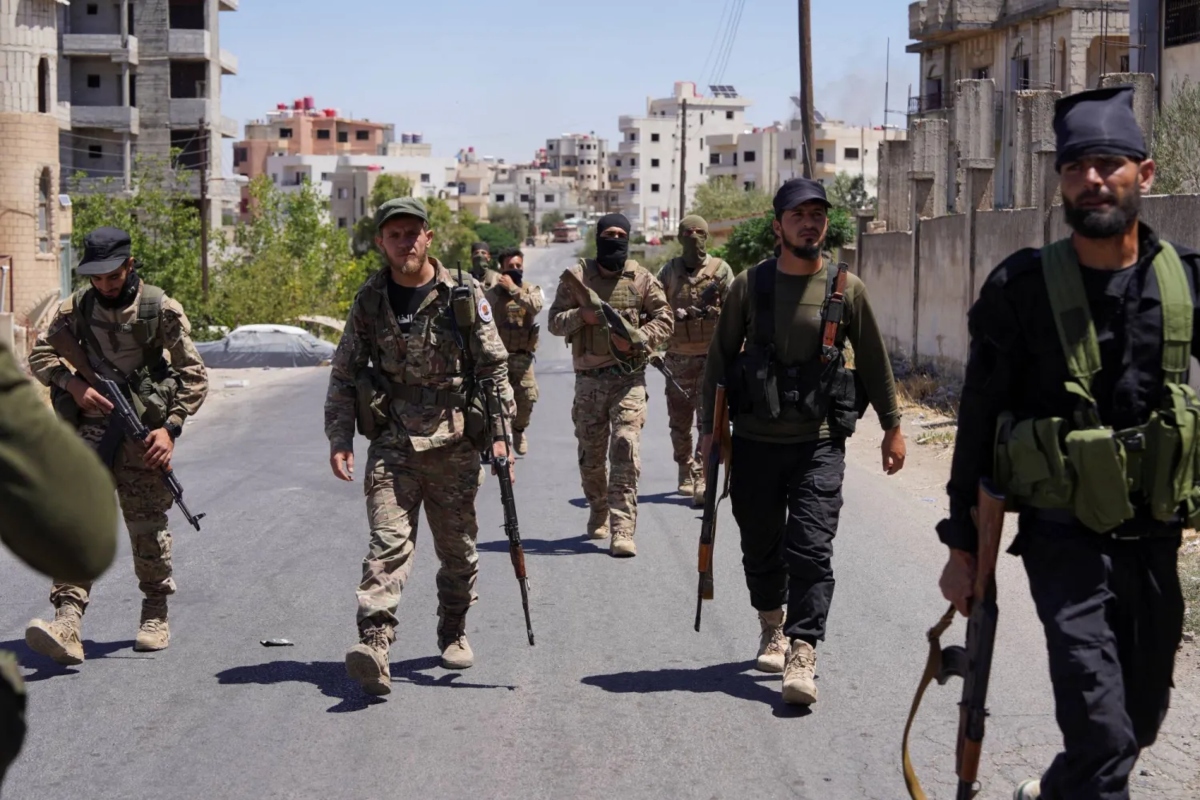
Recent reporting points to several active pressure points. Clashes in Sweida wounded 10 government security personnel after two civilians were killed, while Israel has intensified incursions, raids, and artillery fire in Quneitra despite security talks with Damascus. The announced dissolution of the Kurdish-led Syrian Democratic Forces alliance also creates uncertainty around authority and armed-group integration.
The largest uncertainty is whether Damascus can integrate former opposition, Kurdish, Druze, and other local forces without coercive confrontation, while containing Israeli and other foreign military activity. Further Israeli strikes or incursions, renewed large-scale clashes in Sweida, or a breakdown in SDF integration would raise risk; durable security arrangements and successful political integration would lower it. Partial-scope prediction markets put Israeli action against Syria by September 30 at 19.5% and Iranian targeting at 9.0%, providing separate indications of external-pressure concerns.
Strategic reasoning
- Syria’s prolonged civil war left multiple armed centres, unresolved territorial disputes, and weak state capacity. These conditions make local clashes more capable of developing into a new sustained conflict than in a consolidated state.
- The Sweida clashes and intensified Israeli activity in Quneitra are the clearest current escalatory signals, because they involve both domestic armed groups and direct foreign military pressure on Syrian territory.
- The dissolution announcement by SDF commander Mazloum Abdi could support consolidation if integration succeeds, but it also creates a sensitive transition involving Kurdish forces, Damascus, Turkey, and the United States.
Critical indicators
- On August 25, SDF commander Mazloum Abdi announced the dissolution of the Kurdish-led alliance after its decade-long campaign against ISIS. The move changes the armed balance in northern and eastern Syria and makes the terms of integration with Damascus especially important.
- On Monday, reported in late-August coverage, clashes with local armed groups in Sweida killed two civilians and wounded 10 Syrian government security personnel. The incident demonstrates that disputes involving local communities can still produce organised violence against state forces.
- Recent reporting says Israeli forces intensified incursions, raids, and artillery shelling in Quneitra despite US-brokered security talks with Damascus. This keeps a direct interstate escalation pathway active on Syrian territory.
Probability trend
How the Syria estimate has moved
Probability27.2%26.4%25.6%
Aug 26
Aug 31
Sep 1
Date
Regional context
Syria compared with its neighbours and region
Syria ranks number 9 of 195 in new conflict outbreak risk.
Land neighbours
Figures are each country's modelled probability of a new armed conflict on its territory within the next 12 months. Select any country to open its full profile.
Related coverage
www.arabnews.com
Arab News | 10 Syria security personnel wounded in clashes in Sweida: state TV
Read source
backup.arabnews.com