All countries

Silfio country intelligence · IDN

Indonesia

12.8% annual probability
Indonesia flag
Population

285.72M

GDP

$1.45T

Currency

IDR

Capital

Jakarta

Land area

1.9M km²

Official languages

Indonesian

Risk assessment

Risk profile

Indonesia carries a 12-month probability of 12.8%, representing a high risk of new armed conflict on its territory. The main long-run drivers are its history of separatist and communal violence, including conflict in Aceh, Papua, and parts of Maluku and Sulawesi, alongside the challenges of governing a large, geographically fragmented archipelago. These factors leave some regions more exposed to renewed organised violence even though national institutions and economic capacity provide important resilience.

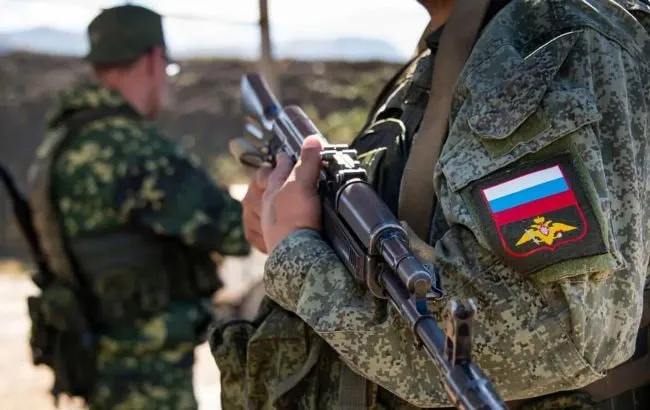
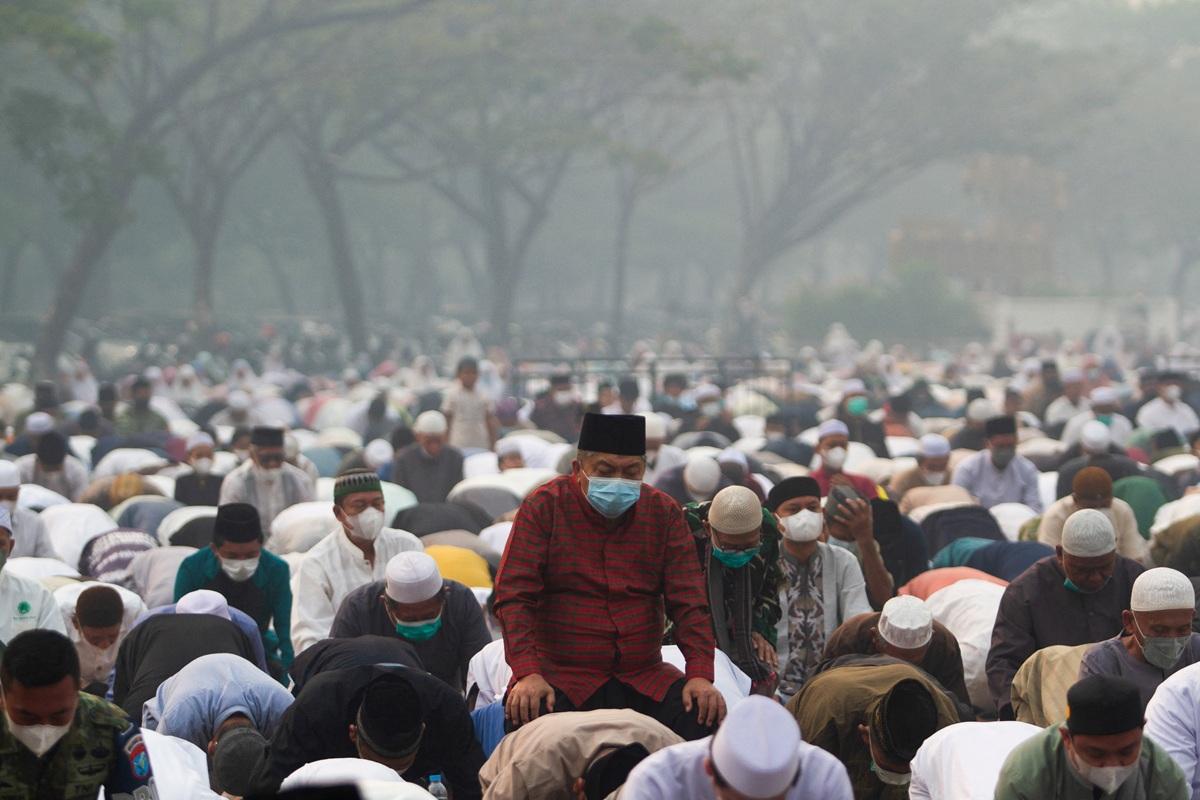
Recent reporting highlights severe wildfires and haze across fire-prone peatlands, prompting cloud-seeding and firefighting aircraft. This is a serious governance and humanitarian pressure, but it is not itself evidence of armed-conflict onset. Indonesia has also distanced itself from citizens reportedly fighting for Russia, a development confined abroad and involving no reported attack on Indonesian territory.

The largest uncertainty is whether local grievances, separatist mobilisation, communal tensions, or a major state crisis could combine into sustained domestic violence. Risk would rise with coordinated attacks, rapid mobilisation by armed groups, or escalation in Papua or another historically affected region; it would fall with effective security management, credible political accommodation, and containment of local unrest.

Strategic reasoning

  • Indonesia’s history of separatist rebellions and communal conflicts supports persistent exposure to new internal conflict, particularly in remote or weakly governed areas. Existing violence abroad or in an already active theatre is not counted as a new onset, but it remains relevant to the country’s conflict environment.
  • The strongest current signals concern governance pressures rather than armed escalation: authorities are deploying aircraft and cloud-seeding to manage widespread fires, while publicly separating Indonesia from citizens fighting in Russia. No supplied report describes organised fighting on Indonesian territory.

Critical indicators

  • Recent reporting on Indonesia’s wildfires describes spreading haze, multiple hotspots, fire-prone peatlands, and the deployment of cloud-seeding and firefighting aircraft. The episode tests state capacity and can intensify local grievances, but the reported activity is environmental rather than armed conflict.
  • Recent reporting says Jakarta has distanced itself from Indonesian citizens possibly fighting on Russia’s side, stressing that their participation does not represent official policy. The activity occurs outside Indonesia and therefore does not constitute conflict onset on Indonesian territory.

Probability trend

How the Indonesia estimate has moved

Probability12.8%12.6%12.4%

Aug 26

Aug 31

Sep 1

Date

Regional context

Indonesia compared with its neighbours and region

Indonesia ranks number 26 of 195 in new conflict outbreak risk.

Figures are each country's modelled probability of a new armed conflict on its territory within the next 12 months. Select any country to open its full profile.

Related coverage

As haze spreads, how severe are Indonesia's wildfires? | GMA News Online

www.gmanetwork.com

As haze spreads, how severe are Indonesia's wildfires? | GMA News Online

Read source
Indonesia has distanced itself from citizens fighting on Russia's side | UA.NEWS

ua.news

Indonesia has distanced itself from citizens fighting on Russia's side | UA.NEWS

Read source