All countries

Silfio country intelligence · GIN

Guinea

4.3% annual probability
Guinea flag
Population

15.1M

GDP

$28.35B

Currency

GNF

Capital

Conakry

Land area

245.86K km²

Official languages

French

Risk assessment

Risk profile

Guinea’s live 12-month probability of a new armed-conflict onset is 4.3%, a moderate risk. The level reflects a history of military intervention, contested political transitions, violent protest, and weak civilian institutions, including the 2021 coup and deadly repression during earlier periods of political crisis. Economic pressures and limited institutional trust can make disputes more difficult to contain.

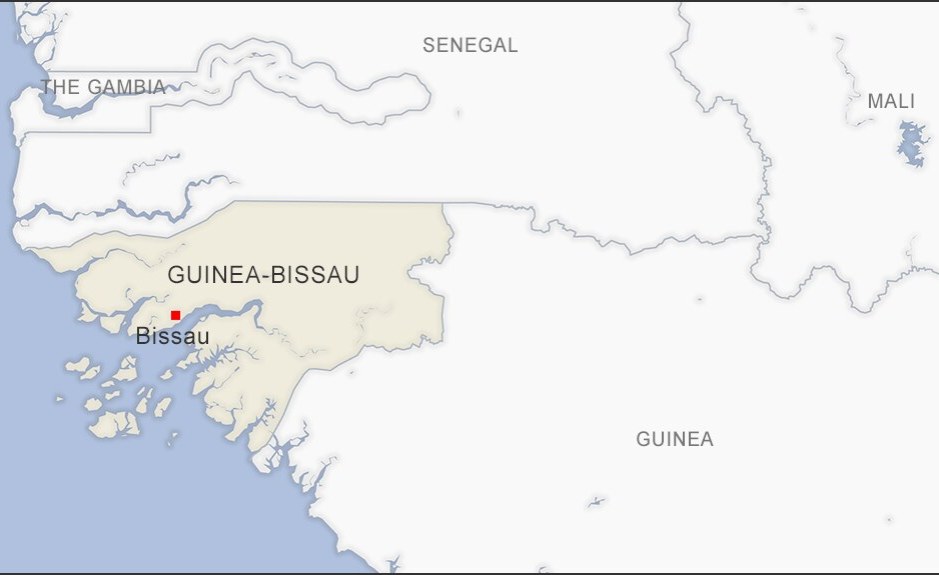
The recent reporting concerns neighbouring Guinea-Bissau, where military authorities are holding a referendum on expanding presidential powers after a coup ten months ago. Its vote count and planned return to civilian government highlight persistent coup-related instability in the wider region, but the reported events are not an armed conflict on Guinea’s territory and do not directly involve Guinean state or armed actors.

The largest uncertainty is whether Guinea’s political transition and security-sector tensions remain manageable or generate a domestic confrontation. Risk would rise with a coup attempt, sustained mass protests met by lethal force, or organised armed mobilisation inside Guinea; credible civilian-military bargaining, orderly elections, and restraint by security forces would lower the likelihood of a new onset.

Strategic reasoning

  • Guinea’s record of coups, disputed governance, and politically driven violence means institutional crises can escalate rapidly when authorities lose legitimacy or security forces fragment.
  • The Guinea-Bissau developments are a regional warning about military dominance and constitutional uncertainty, but the fighting-onset definition separates them from any new conflict occurring inside Guinea.
  • The clearest stabilising factor is the absence of a reported organised insurgency or active armed confrontation inside Guinea; the main escalation route is a political crisis that brings security forces and mobilised civilians into sustained violence.

Critical indicators

  • On 30 August 2026, Al Jazeera reported vote counting in Guinea-Bissau’s referendum on strengthening the presidency, ten months after a military coup. The episode underscores regional coup vulnerability but is geographically outside Guinea.
  • On 31 August 2026, reporting said Guinea-Bissau voters backed a referendum intended to expand presidential powers before elections later in 2026. This reinforces the importance of military-civilian transition risks in the neighbourhood without constituting a new conflict in Guinea.

Probability trend

How the Guinea estimate has moved

Probability4.6%4.4%4.3%

Aug 26

Aug 31

Sep 1

Date

Regional context

Guinea compared with its neighbours and region

Guinea ranks number 62 of 195 in new conflict outbreak risk.

Figures are each country's modelled probability of a new armed conflict on its territory within the next 12 months. Select any country to open its full profile.

Related coverage

Vote count starts in Guinea-Bissau referendum on strengthening presidency | Elections News | Al Jazeera

www.aljazeera.com

Vote count starts in Guinea-Bissau referendum on strengthening presidency | Elections News | Al Jazeera

Read source
Election of the Weekend II: Guinea-Bissau - Lawyers, Guns & Money

www.lawyersgunsmoneyblog.com

Election of the Weekend II: Guinea-Bissau - Lawyers, Guns & Money

Read source
Guinea Bissau: Guinea-Bissau Votes in Referendum On Giving President More Powers - allAfrica.com

allafrica.com

Guinea Bissau: Guinea-Bissau Votes in Referendum On Giving President More Powers - allAfrica.com

Read source